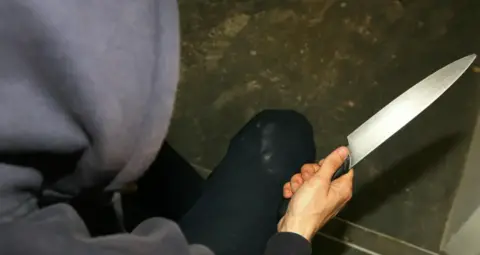
Knife Crime Around the World: A Global Crisis
When we talk about knife crime in the UK, it's easy to think this is uniquely our problem. But the reality is that knife violence is a global crisis affecting communities on every continent.
The Global Picture
While reliable global statistics are hard to come by, the World Health Organization estimates that sharp object injuries account for a significant portion of youth violence worldwide:
- Latin America: Cities like São Paulo and Rio de Janeiro have seen knife violence increase alongside gang activity
- United States: Despite gun violence dominating headlines, knife crime accounts for thousands of deaths annually
- South Africa: Knife-related injuries are a major concern in urban areas, particularly among youth
- Asia: Countries like India and China report significant knife crime rates, though often underreported
Why Does It Happen?
The root causes are remarkably similar across borders:
Poverty & Inequality
In every country, knife crime concentrates in areas of economic deprivation. Young people without opportunities are more vulnerable to violence.
Gang Culture
From London to Los Angeles, from Glasgow to Johannesburg, gang recruitment offers vulnerable youth a sense of belonging—and access to weapons.
Masculinity & Status
Across cultures, carrying a weapon is often linked to perceptions of strength, respect, and protection. Challenging these narratives is key.
Weak Support Systems
Where mental health services, youth programs, and community support are lacking, violence fills the void.
What's Working Around the World?
Scotland's Violence Reduction Unit
Once the knife crime capital of Europe, Glasgow transformed through a public health approach—treating violence as a disease to be prevented, not just punished.
Results:
- 63% reduction in knife-related deaths over 15 years
- Community-based interventions
- Focus on early intervention and opportunity creation
Boston's Operation Ceasefire (USA)
A focused deterrence strategy that brought together law enforcement, community leaders, and social services.
Key elements:
- Direct communication with at-risk groups
- Immediate response to violence
- Genuine alternatives and support
Cure Violence (International)
Treating violence like an infectious disease, this model has been replicated in over 25 cities worldwide.
Approach:
- Violence interrupters (often ex-gang members)
- Changing community norms
- Providing alternatives and opportunities
What Can We Learn?
1. It's Not Just About Police
Enforcement alone doesn't work. Every successful program combines prevention, intervention, and support.
2. Community Matters
Solutions come from within communities, not imposed from outside. Local leaders, mentors, and organizations are essential.
3. Opportunity Changes Everything
Give young people real alternatives—education, employment, purpose—and they choose different paths.
4. Start Early
Prevention programs that reach children and young teens are far more effective than trying to reform adults.
5. Address the Whole Person
Mental health, trauma, family issues, education—these are all connected. Holistic support works.
The Path Forward
Knife crime is solvable. We have evidence from around the world that with the right approach—combining public health, community engagement, opportunities, and support—we can make real change.
The question isn't whether we can reduce knife violence. It's whether we have the will to invest in the proven solutions.
What You Can Do
- Educate yourself about the root causes beyond stereotypes
- Support local programs working with at-risk youth
- Advocate for funding for prevention and support services
- Challenge narratives that glorify violence or criminalize young people
- Get involved as a mentor, volunteer, or donor
Every young person deserves a chance to thrive. Together, we can create communities where violence isn't an option—because better options exist.
Modern Empowerment draws on global best practices to create programs that prevent violence and support young people in the UK. Learn about our programs.