Olly Stephens: The 13-Year-Old Killed by Social Media Manipulation
3 November 2025 — Olly Stephens should be 17 years old today. He should be thinking about GCSEs, hanging out with friends, and planning his future. Instead, his life was stolen at just 13 years old in an attack that was planned, organized, and orchestrated entirely online.
Who Was Olly?
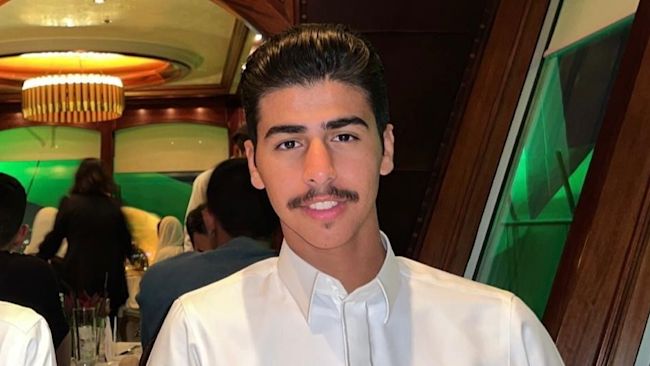
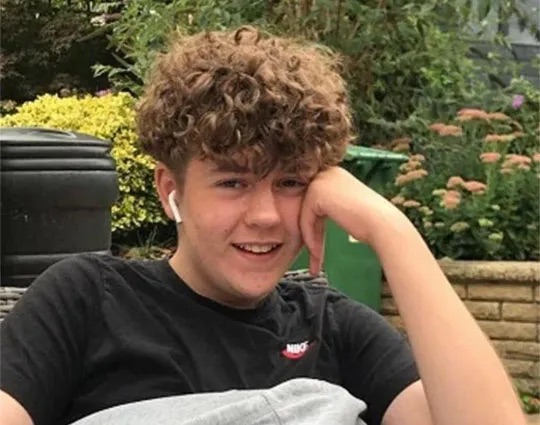
Olly Stephens grew up in Emmer Green, Reading. He was a loving, caring, and funny young man who was just starting to navigate his teenage years.
Olly loved:
- Playing on his Xbox with friends
- Pulling wheelies on his bike
- Watching films
- Eating cheeseburgers, Domino's pizza, and fizzy drinks
- Writing his own rap songs
- All types of music
But more than his hobbies, Olly was defined by his character.
Olly had recently been diagnosed with autism. His father Stuart called it Olly's "autistic superpower," and that superpower was love.
"He touched so many lives without either us or himself knowing it."
Olly celebrated differences between people:
- He was a staunch supporter of Black Lives Matter
- He supported LGBTQ+ rights
- He hated unfairness
- He went out of his way to support those he cared about
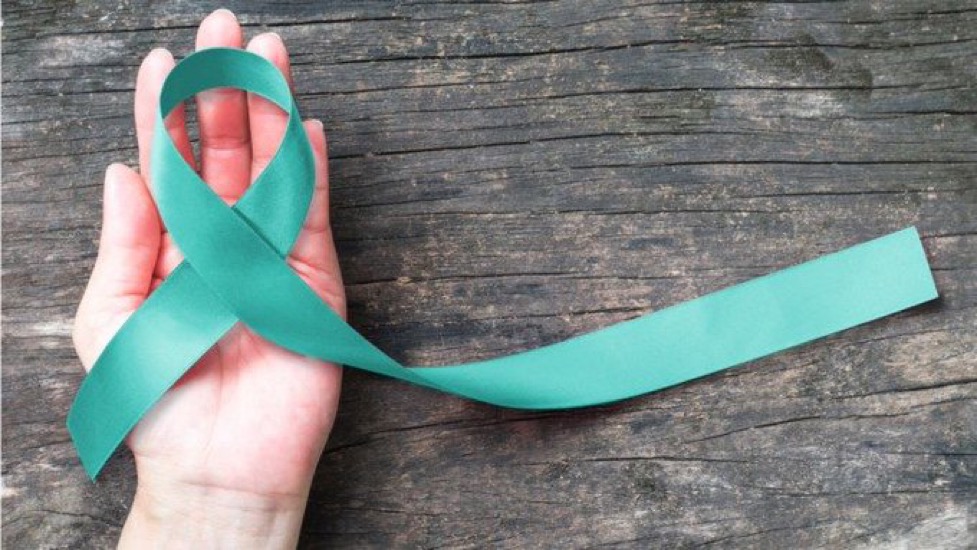
When a younger child at his primary school lost his hair during leukaemia treatment, Olly shaved his own head in solidarity.
That's who Olly was. Compassionate. Empathetic. Kind.
The Setup
January 3, 2021
A few weeks earlier, Olly had seen an image of a boy being "patterned" online - a term young people use when someone is humiliated on social media.
Olly's instinct was to help. He forwarded the image to the boy's older brother, trying to alert him so he could support his sibling.
It was an act of kindness that would cost Olly his life.
Two older boys - aged 13 and 14 - found out what Olly had done. They were furious that he'd "interfered."
What happened next reveals the terrifying power of social media to facilitate violence:
The two boys and a 13-year-old girl devised a plan online to lure Olly to a park and attack him.
They discussed it. They planned it. They organized it. All in online conversations.
The girl contacted Olly and arranged to meet him at a local park. Olly believed he was just meeting her - someone he knew and trusted.
It was a trap.
The Murder
Olly left his family home, thinking he was meeting a friend. When he arrived at the park, the two boys ambushed him and stabbed him to death.
He was 13 years old.
Justice - But No Victory
The two boys were convicted of murder:
- One received a life sentence with a 13-year minimum term
- The other received a life sentence with a 12-year minimum term
The girl was convicted of manslaughter and initially sentenced to 3 years and 2 months detention. Her sentence was later increased to 5 years.
But justice doesn't bring Olly back. It doesn't erase the trauma. It doesn't heal the hole in his family's hearts.
The Devastating Impact
One of Olly's friends described the aftermath:
"Olly's death has deeply affected everyone here... the horrific events of January 3rd and their truly tragic outcome have produced deep and conflicting emotions within each of us — extreme shock, bottomless sorrow, anger, great pain, and confusion. These feelings can overwhelm us when we least expect it and will always be with us."
Olly's mother Amanda said:
"We miss Olly every minute, of every day. To know that he was lured out and ambushed following an agreed online plan, with other children present to watch, will haunt us for the rest of our lives. When I think of Olly, he is smiling at us, doing a little dance, and ready to give us a big hug. We feel broken hearted and wish that his life could have turned out differently."
What Makes Olly's Story Unique - And Terrifying
Olly's murder exposes several disturbing trends in modern knife crime:
1. The Age of the Perpetrators
These weren't adults or even older teenagers. They were children - 13 and 14 years old. The same age as Olly.
What drives children to plan and execute a murder?
2. The Role of Social Media
The entire attack was planned online. Social media didn't just facilitate the crime - it enabled it.
Online:
- Grievances escalate without adult supervision
- "Patterning" and humiliation become normalized
- Planning violence feels abstract, like a game
- Peers can encourage and validate violent thoughts
- There's a permanent record of perceived "disrespect"
3. The Weaponization of Trust
They used a girl Olly knew to lure him out. They exploited his trust. They made him believe he was safe.
This is psychological manipulation at a horrifying level.
4. The Spectacle of Violence
Other children were present to watch. The attack was entertainment. Content. A story to share.
What have we become when children watch other children be murdered?
5. The Punishment of Kindness
Olly was killed for trying to help someone. His compassion - his superpower - got him murdered.
What message does that send?
The Social Media Problem
Olly's case forces us to confront uncomfortable truths about social media and youth violence:
Online Humiliation is Normalized "Patterning" - publicly humiliating someone online - is common among young people. It's treated as entertainment, not abuse.
Conflicts Escalate Online Disagreements that might have been forgotten become permanent grievances when documented online. There's no cooling-off period.
Violence is Planned in Plain Sight Young people discuss, plan, and organize violence in group chats and DMs. Often without adult awareness.
Empathy is Eroded When you interact with people through screens, they become less human. It's easier to plan violence against a username than a real person.
Peer Pressure is Amplified Online, there's always an audience. Always someone watching. That pressure to prove yourself, to retaliate, to be "hard" is constant.
Documentation Creates Pressure Everything is screenshotted. Everything is shared. You can't walk away without everyone seeing - and judging.
The Autism Factor
Olly's autism may have played a role in what happened:
Literal Thinking: Autistic people often take things literally. When the girl asked to meet, Olly believed it. He didn't sense the trap.
Trusting Nature: Many autistic people are trusting and see the good in others. Olly's kindness was exploited.
Social Naivety: Understanding hidden social dynamics - like why forwarding an image might be "seen" as interference - can be challenging.
Strong Sense of Justice: Olly's autism may have amplified his sense of fairness, making him more likely to try to help when he saw injustice.
His "superpower" of love made him vulnerable to manipulation.
What Parents Need to Know
Your child's online life is their real life.
Olly's murder was planned online. The grievance started online. The manipulation happened online.
But the murder was very, very real.
Warning signs to watch for:
-
Changes in online behavior
- Becoming secretive about phones/devices
- Deleting messages or using "disappearing" message apps
- Multiple social media accounts
-
Changes in mood
- Increased anxiety or fear
- Reluctance to leave the house
- Sleep disturbances
-
Social changes
- Withdrawing from friends
- New "friends" they're secretive about
- Being excluded from group chats
-
Talk of "disrespect" or "reputation"
- Obsession with being disrespected
- Talk of "needing to sort something"
- Concern about what others are saying online
What you can do:
- Have ongoing conversations about online life
- Know their online friends as well as their IRL ones
- Explain the permanence of online content
- Discuss conflict resolution that doesn't involve violence
- Keep communication open so they come to you with problems
For Young People
If you're reading this, please understand:
Online "disrespect" is not worth dying for.
Online "disrespect" is not worth killing for.
Your online reputation is not worth your actual life.
Olly tried to help someone. He paid with his life.
Don't let social media pressure you into violence. Don't let group chats normalize hate. Don't let screenshots dictate your actions.
The real world has real consequences.
Lessons from Olly's Murder
1. Kindness is Not Weakness
Olly's compassion was his strength. He stood up for others. He supported the vulnerable. He showed solidarity.
That's courage. That's character.
The people who killed him showed weakness - not strength.
2. Age is No Barrier to Violence
We can't assume young people are safe from knife crime because of their age. Olly was killed by children.
3. Social Media Enables Violence
Platforms need to do more. Parents need to be aware. Young people need education about online behavior.
4. Early Intervention is Critical
The boys who killed Olly were 13 and 14. What happened in their lives that led them to plan and execute a murder?
We need earlier intervention, better support, and more resources.
5. The Ripple Effect is Endless
Olly's murder didn't just destroy him. It shattered his family. It traumatized his friends. It devastated his community.
And the perpetrators? Their lives are over too. Prison for murder. Forever marked by what they did.
Everyone loses.
Remembering Olly
Olly Stephens was:
- Loving and caring
- Funny and full of life
- A supporter of justice and equality
- Someone who showed solidarity with vulnerable people
- A boy who loved cheeseburgers and pulling wheelies
- A son, a friend, a kid with an Xbox
He was a 13-year-old boy with autism whose "superpower" was love.
And he was murdered for trying to help someone.
That's the world we live in. We have to do better.
How You Can Help
Talk about social media safety:
- Discuss online behavior with young people
- Explain how conflicts escalate online
- Teach digital citizenship
Challenge online culture:
- Don't share humiliating content
- Call out "patterning" and cyberbullying
- Report concerning behavior to platforms
Support neurodivergent young people:
- Teach them about manipulation and deceit
- Help them understand social dynamics
- Protect their trusting nature while keeping them safe
Advocate for change:
- Demand better online safety measures
- Support organizations working on knife crime prevention
- Push for education about online violence
A Final Thought
Olly shaved his head to support a young child with cancer. That's who he was.
Three children planned to kill him online. That's the world we've created.
We can do better. We must do better.
For Olly. For all the young people we've lost. For the ones we can still save.
"When I think of Olly, he is smiling at us, doing a little dance, and ready to give us a big hug." — Amanda, Olly's Mum
If you need help:
- Report online violence: Report Harmful Content (NSPCC)
- Get support: Visit our Get Help page
- Talk to someone: Childline 0800 1111 (for under 19s)