Remembering Ben Kinsella: A Life Cut Short at 16
3 November 2025 — Behind every knife crime statistic is a real person with dreams, a family who loved them, and a future that was stolen. Ben Kinsella was one of those people.
A Normal Teenager with Big Dreams
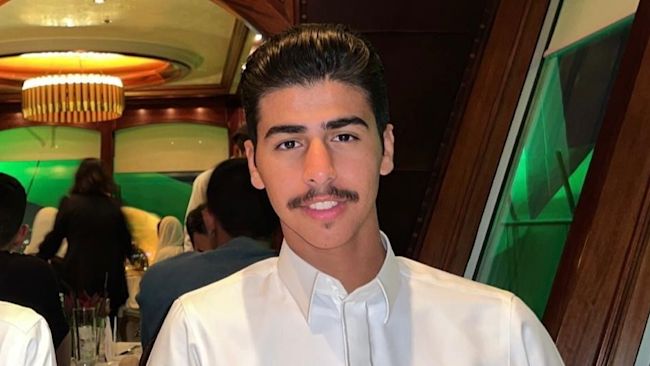
Ben Kinsella was 16 years old when his life was brutally taken from him on June 29, 2008. He grew up in Islington, London, and attended Holloway School. Like many teenagers, Ben had dreams and passions:
- He wanted to be a graphic designer
- He loved art, music, and Arsenal FC
- He adored his dog Teddy
- He had just started working at a local internet café, designing their menus
- He made people laugh
Ben was "a normal teenager" - a phrase his mother would later emphasize. He wasn't involved in youth violence, gangs, or drugs. He had a loving family and did well at school. He had just finished his GCSEs and was excited about his future.
The Night Everything Changed
Saturday, June 28, 2008
Ben's parents and sister Georgia were away for the weekend. Ben stayed home with his older sisters Brooke and Jade because he had work commitments - he loved his new job as a graphic designer.
That evening, friends called to invite him to celebrate finishing their exams at a popular venue near his home. Ben was excited to join them.
While at the venue, there was an altercation between two groups of older boys. Ben had nothing to do with it. Security staff ejected both groups, and everyone else - including Ben and his friends - continued their evening.
The Attack
On their way home, Ben and his friends realized they were being followed by three older teenagers (all 19 years old - three years older than Ben).
Scared, they decided to run. But the older teens chased them.
It's believed the attackers were seeking revenge for the earlier altercation - despite Ben having no involvement whatsoever. Perhaps that's why Ben stopped running.
The older boys caught up with him.
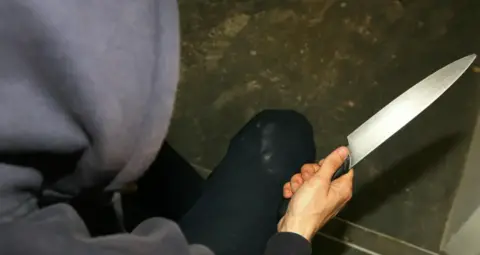
In an entirely unprovoked attack, they stabbed him several times.
Ben had never met or spoken to the boys who killed him.
He died in the early hours of June 29, 2008. Just 16 years old.
The Devastating Aftermath
Ben was the 17th teenager murdered that year in what would become a record year for teenage homicide in London, with 29 victims. (Tragically, that record was broken in 2021 with 30 young people murdered.)
In her victim impact statement, Ben's mother Debbie said:
"The people who murdered him knew nothing about our Ben, not a hair on his head, a bone in his body, not anything about our wonderful son. They had never met him before or spoken to him - they just cruelly took his life away with knives for no apparent reason."
"No parent or sibling should ever have to go through or see what we have seen with our son. He died in front of us. We can now only visit Ben at a cemetery, our beautiful son who so loved life."
Justice
The three attackers were caught by police and found guilty in court. They were sentenced to a minimum of 19 years in prison in 2009.
But no sentence can bring Ben back.
No sentence can give his family back the son and brother they lost.
No sentence can restore the future Ben should have had.
The Ben Kinsella Trust
From unimaginable tragedy, Ben's family created something powerful: The Ben Kinsella Trust.
Founded by his sister Brooke, the Trust works tirelessly to educate young people about the dangers of knife crime. They provide free educational resources to schools and communities across the UK.
Their mission: No family should have to go through what the Kinsellas went through.
Why Ben's Story Matters
1. It Can Happen to Anyone
Ben wasn't in a gang. He wasn't involved in crime. He was a good student with a loving family and bright future. Knife crime doesn't discriminate.
2. Wrong Place, Wrong Time
Ben had no connection to the earlier altercation. He was simply in the wrong place when violent individuals decided to seek revenge on anyone they could find.
3. The Ripple Effect
Ben's murder didn't just destroy him - it shattered his entire family. His parents, his three sisters, his friends, his colleagues, his community. The pain ripples outward forever.
4. Carrying a Knife Doesn't Make You Safer
Ben didn't carry a knife. But his attackers did. And those knives ended his life in moments.
If you carry a knife "for protection," you're more likely to:
- Have it used against you
- Face serious criminal charges
- Kill or seriously injure someone
- Ruin multiple lives (yours included)
5. One Moment Changes Everything
The boys who killed Ben made a choice that night. A choice that took seconds. A choice that ended Ben's life and destroyed their own futures.
They're still in prison. Ben is still dead. Nothing changes that.
The Human Cost
When we talk about "knife crime statistics," we're talking about people like Ben:
- A boy who loved his dog
- A teenager who was proud to design menus for a local café
- A son who made his family laugh
- A friend who was excited to celebrate finishing exams
- A young man who should have become a graphic designer
- A life full of unrealized potential
Every statistic represents someone's child. Someone's sibling. Someone's friend. Someone who mattered.
What We Can Learn
For Young People:
- Walk away from confrontation - Your pride isn't worth your life
- Never carry a knife - It makes you less safe, not more
- Choose your company carefully - The people you're with can put you at risk
- Trust your instincts - If something feels wrong, it probably is
- Get help - Talk to someone you trust if you feel unsafe
For Parents:
- Know where your children are - And who they're with
- Keep communication open - Make sure they can talk to you about anything
- Watch for warning signs - Changes in behavior, new friends, secrecy
- Educate them - Talk about knife crime and its consequences
- Build their confidence - So they can walk away from peer pressure
For Communities:
- Support youth programs - Give young people positive alternatives
- Challenge knife-carrying culture - It's not normal, it's not acceptable
- Report what you know - You could save a life
- Support victims' families - They need our help to heal
- Demand change - From schools, police, and government
A Mother's Plea
Debbie Kinsella, Ben's mother, has dedicated her life to preventing other families from experiencing what hers has. Her message is simple but powerful:
Carrying a knife doesn't make you safer. It makes you a potential murderer or victim.
Walking away isn't cowardly. It's the bravest thing you can do.
Your life matters. Don't throw it away for a moment of anger or pride.
Ben Would Be 33 Now
If Ben had lived, he would be 33 years old today. He might have:
- Graduated from art school
- Built a successful graphic design career
- Fallen in love and started a family
- Traveled the world with his camera
- Spent weekends at Arsenal matches
- Made his family proud in a hundred different ways
But we'll never know. Because three boys made a choice to carry knives and use them.
How You Can Help
Support organizations working to end knife crime:
- Donate to the Ben Kinsella Trust or similar organizations
- Volunteer with youth programs in your area
- Share educational resources with schools and community groups
Educate young people:
- Talk honestly about knife crime and its consequences
- Challenge the myths about knives providing protection
- Share stories like Ben's so they understand the human cost
Create change in your community:
- Support youth clubs and positive activities
- Report concerns to police or Crimestoppers anonymously
- Demand better resources for at-risk young people
Remember Ben
Ben Kinsella wasn't a statistic. He was a real person with dreams, talents, and people who loved him.
His murder was senseless, preventable, and devastating.
But his legacy lives on through the Ben Kinsella Trust, which has educated thousands of young people and undoubtedly saved lives.
Remember Ben. Remember his story. And do your part to make sure no other family has to go through what his did.
"He touched so many lives... he loved life, and life was cruelly taken from him." — Debbie Kinsella
If you're worried about knife crime or need support:
- Call Crimestoppers anonymously: 0800 555 111
- Text Fearless (for young people): 85999
- Visit our Get Help page for comprehensive resources
You can make a difference. Every voice matters. Every action counts.